
Roots Blower vs Screw Blower: Detailed Industrial Comparison
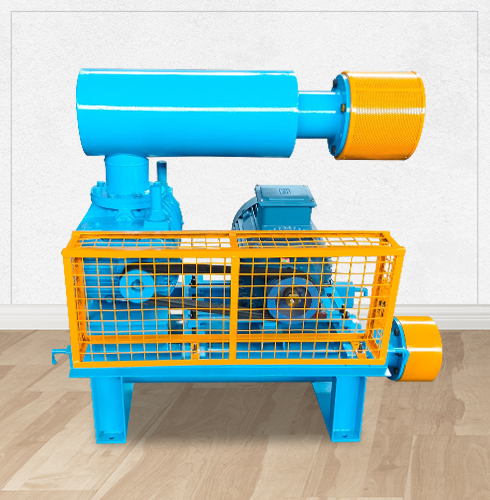
Roots Blower vs Screw Blower: Technical & Cost Comparison
When selecting low-pressure air equipment (0.3 to 1.0 bar) for aeration or conveying, engineers often evaluate Roots Blowers vs Screw Blowers. Here is a clear comparison of both technologies.
1. Working Principle
- Roots Blower: Isochoric (external compression) positive displacement transfer. Simple, rugged twin or tri-lobe profile.
- Screw Blower: Internal compression via male and female helical rotors. Higher internal pressure ratio.
2. Capital Expenditure (CAPEX)
Roots blowers cost 40% to 60% less initially than rotary screw blowers. For small to medium plants, the lower purchase price of Roots blowers delivers significantly faster capital payback.
3. Maintenance & Ruggedness (OPEX)
Roots blowers feature generous internal rotor clearances and rugged cast iron construction. They are highly forgiving of dusty ambient environments, temperature swings, and intermittent duty cycles. Screw blowers have tight internal tolerances requiring expensive specialized service.
4. Energy Efficiency at Variable Pressure
While screw blowers show higher efficiency at constant maximum pressure, Tri Lobe Roots Blowers fitted with VFD drives offer comparable operational efficiency at a fraction of the maintenance complexity.
Summary Recommendation
For maximum reliability, easy local maintenance, and lower capital investment, Roots Blowers remain the gold standard in Indian industrial environments.